If there’s one thing I hate about living in the Pacific Northwest, it’s the stretch of time from late October until late June, when the sun makes only the most occasional of appearances. I typically pack on an extra 10-15 pounds during those rainy months, party due to over-consumption of wintertime drinks like dark beer, egg nog, hot-buttered-anything and wassail. I wanted a drink for the winter that I could add to my cocktail menu that was more like the light, café-style cocktails I typically gravitate to during the summer.
Jerry Thomas prescribed a drink called “sangaree” that, to the best of our knowledge was a colonial adaptation of the Spanish “sangria”. The recipe, which calls for anywhere from 1½ to 4 ounces of port, Madeira, gin or brandy dolled up with sugar and dusted with nutmeg in a glass sounded less than exciting to me, but the challenge of updating this old chestnut sounded like a fun January task.
We began with ruby and tawny ports but found both way too sweet. White port got us much closer to our target, but it wasn’t until a healthy dose of dry vermouth was applied that we knew we were on to something. To provide additional depth and hint at the drink’s colonial origins we sweetened with a maple-nutmeg syrup and finished the whole thing off with a teaspoon of allspice liqueur and orange oil.
The Dry Vermouth Sangaree
3 oz dry vermouth
½ oz maple-nutmeg syrup*
1 tsp St. Elizabeth Allspice Dram
1 large strip orange peel
Shake everything – yes, even the orange peel – with ice until well-chilled and strain into a cold cocktail glass. Garnish with a fresh strip of orange peel.
*To make maple-nutmeg syrup, combine 8 ounces each of Grade B maple syrup and water, and 1 tbsp freshly-grated nutmeg. Simmer, covered, for 20 minutes. Let cool, strain out solids, bottle and chill.
My problem with homemade tonic water has always been a flavor profile that was too esoteric for the general audience. This recipe takes some of the positive qualities people have come to understand from commercial tonic water and updated them with fresh ingredients.
One question I'm often asked is "Do you have any drink-related book recommendations?" Well, funny you should ask, I've compiled a list of the ten books every professional bartender or home mixologist should own. I keep every one of these close at hand and have read most of them several times. I suggest you do the same.
The problem with living in Oregon is the absence of little wooden shacks by the sea that sell cases of fresh ginger beer stacked on back porches. But with some readily-available ingredients, a recipe I've been revising for several years - and a few free minutes - I can easily transport myself to a little fishing boat on the ocean as I sip a Dark and Stormy made with fresh, house-made ginger beer.
It's always mojito season somewhere, so this advice is timely in your area about half the year. Wether you're making them or simply enjoying them, this advice will help you look like a pro in no time at all.
The flavors of the Richmond Gimlet are imbued with sunshine. Fresh mint mingling with the herbaceousness of gin and the tartness of lime have made this drink a Eugene classic for many years now.
You'll get a lot of snarky advice on this site about how to make a proper drink, but if you ever need to know what not to do, this is the video for you.
Not to be confused with the Spanish wine-and-fruit-based alcoholic beverage sangria, sangrita (meaning "little blood") is a traditional accompaniment to a tequila served completo; a non-alcoholic sipper that cleanses the palate between fiery doses of agave.
The world of booze can be mystifying to people that don't work in bars or around alcohol all the time. I hear a lot of assumptions about the industry I'm in that are - much like 90% of what you hear in bars - completely false. Here are a few you've probably heard yourself.
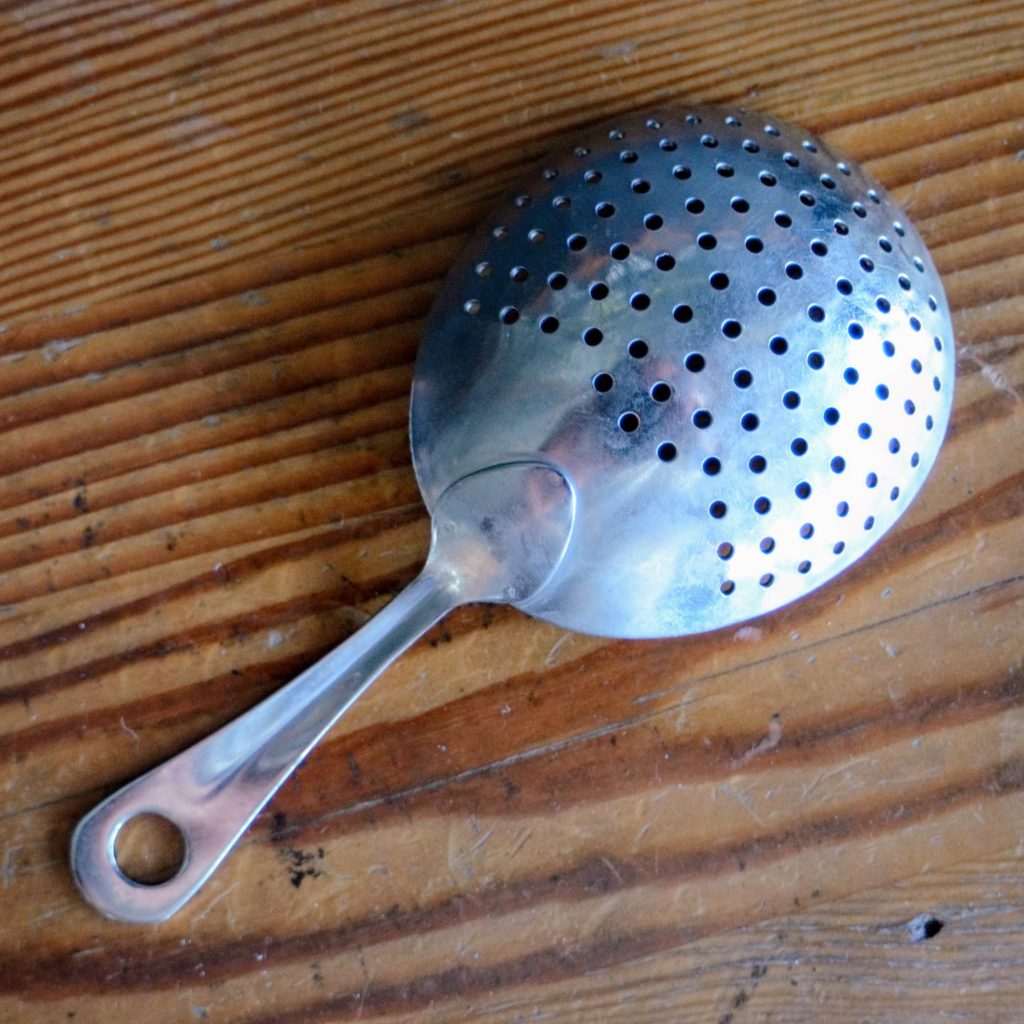
The debate rages on: Should we try to look cool and crack open the Boston shaker or be tidy professionals and use the Hawthorne strainer the way God intended? Be sure to leave your two cents in the comments section.
The traditional garnish for a Pisco Sour is a couple of drops of bitters in the foam, but I've never been particularly impressed with the way these few paltry drops of bitters sat in their little egg-white mattress and didn't play along with the rest of the drink. I envisioned a Pisco Sour with a uniformly-distributed bitters-scorched foam: slightly crisp as the fire burnt the sugars, and slightly warm as the foam insulated the rest of the frosty cocktail from the heat. A pisco creme brulée in a glass!
I get so many visitors looking for tips on how to write a bartending resume that I thought I should finally post a tutorial on how to write your own. Click the headline to read more.
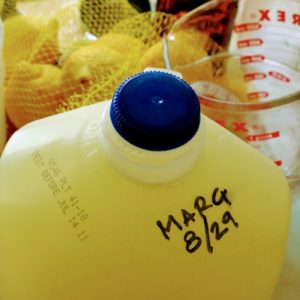
I always love showing up to a party with a gallon jug of pre-mixed margaritas, so I've decided to share my recipe. This margarita recipe is the perfect blend of strong, sweet, and sour. But be warned: this recipe packs a serious punch.
There isn't much I can say about this video that hasn't been said already. If you've read anything I've written about cocktails, you'll understand why this video symbolizes everything wrong with the state of bartending in America today. Watch and learn, but be warned: this one isn't for the feint of heart.
About Me
My name is Jeff Morgenthaler and I'm the head bartender at Clyde Common in Portland, Oregon.
I've been tending bar since 1996 and writing about it since 2004. Mixing drinks has become something of a passion for me in recent years, and I strive to elevate the experience of having a drink from something mundane to something more culinary.
The writing I do here is intended as a work in progress. My recipes are like my opinions: they are constantly being revised and refined as I work them through my mind and my fingers. Comments and participation are encouraged, so please don't feel the need to tread lightly here.
Our friend Darcy over at Art of the Drink adds to the “50 Signs…” madness with 50 Signs You Are a Bad Bartender, all but one of which I think is right on the money:
48. The solution to every problem is: just add bitters
Bitters and simple syrup are to a bartender as pepper and salt are to a chef. They all have a way of making things taste, well, more like themselves.
I don’t think that’s what Darcy meant, though. I’m sure he was more about lambasting the improper use of bitters. He’s definitely not an inexperienced mixologist!
28 Feb 2008 at 7:42 pm 4. thatguymn
I find this post particularly funny because I was looking at that post which brought me to the second sight which some where along the way was a link to your site and here I am now!
I absolutely hate it when someone sends me a box full of sex toys in the mail. Sure, it might sound like fun to some of you (you know who you are), but receiving a big box of free sex is much more trouble than it’s worth. Believe me. So I get a [...]
28 Mar 2007 at 9:05 pm 1. Dan
I’m proud to say I don’t even do a single one of those things at home when mixing up drinks for myself or for guests ;)
30 Mar 2007 at 5:23 pm 2. Natalie Bovis-Nelsen (aka: The Liquid Muse)
I almost always use bitters. They enhance – and actually are integral to many drinks… The young’ns today just don’t always get that…
31 Mar 2007 at 9:23 pm 3. Jeffrey
Bitters and simple syrup are to a bartender as pepper and salt are to a chef. They all have a way of making things taste, well, more like themselves.
I don’t think that’s what Darcy meant, though. I’m sure he was more about lambasting the improper use of bitters. He’s definitely not an inexperienced mixologist!
28 Feb 2008 at 7:42 pm 4. thatguymn
I find this post particularly funny because I was looking at that post which brought me to the second sight which some where along the way was a link to your site and here I am now!
28 Feb 2008 at 7:43 pm 5. thatguymn
oops… site…sigh..