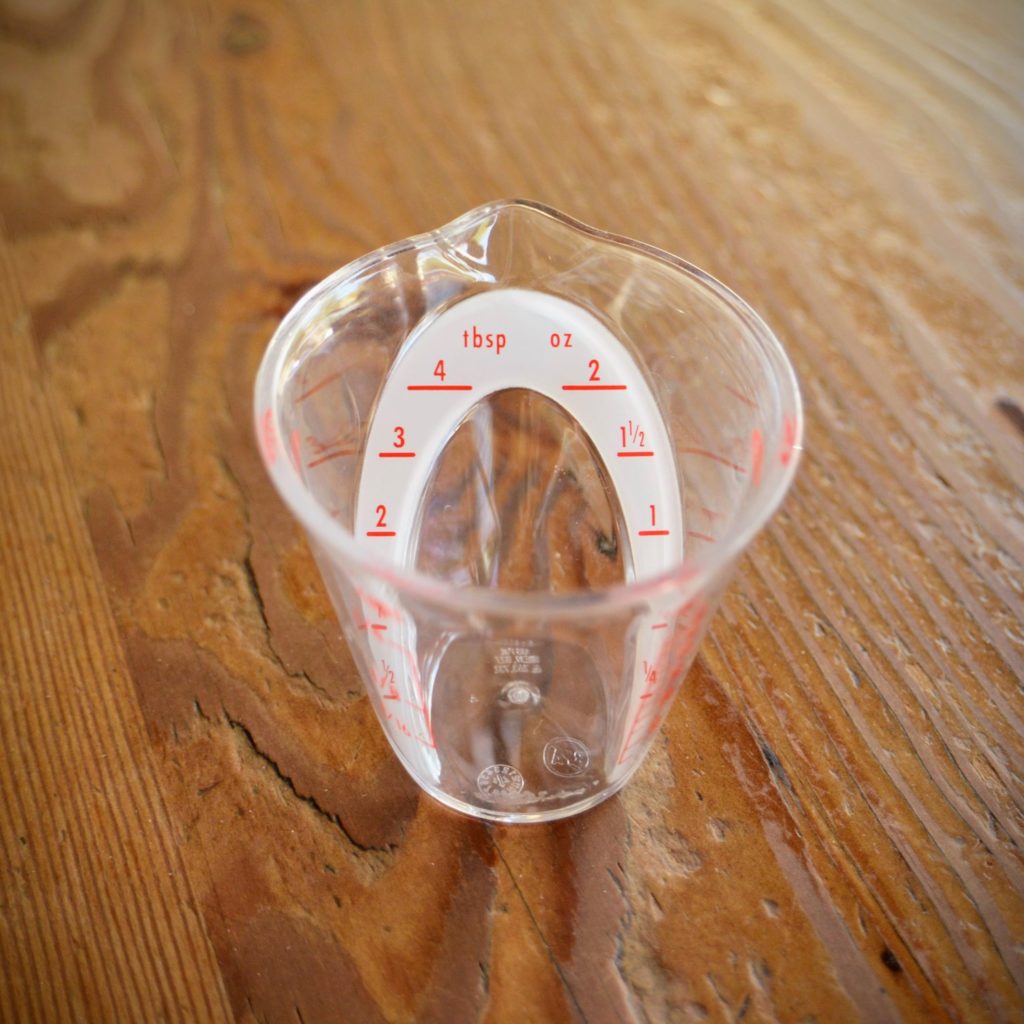
Not to be confused with the Spanish wine-and-fruit-based alcoholic beverage sangria, sangrita (meaning “little blood”) is a traditional accompaniment to a tequila served completo; a non-alcoholic sipper that cleanses the palate between fiery doses of agave.
Years ago I was taught that sangrita is a blend of tomato and orange juices, with the addition of something spicy (hot sauce, typically) for a little kick. But further research has convinced me that this American sangrita recipe, while still enjoyable and certainly prevalent, is not altogether authentic.
Real sangrita from the Lake Chapala region of Jalisco is made with Seville orange and pomegranate juices, with powdered chiles added for heat. Taking into account that even the most cocktailian bartender (professional or otherwise) doesn’t typically stock sour oranges or pomegranate juice behind the bar, I’ve worked up a recipe that should approximate the flavor of this spicy little sour orange and pomegranate chaser while still providing an authentic experience.
1 oz orange juice (freshly-squeezed)
¾ oz - 1 oz lime juice (depending on the sweetness of your oranges)
½ oz real pomegranate grenadine
3 dashes hot sauce or ¼ tsp chile powder
Mix ingredients, chill, and serve.
This is far from the final word on sangrita. I’ll still continue to enjoy the tomato varieties (1,2,3), but I think you’ll find a brightness and depth of flavor from this version that plays better with a wider variety of mezcals and tequilas than its heavier gringo cousin.
What’s your experience with sangrita? Chime in with your stories and recipes in the comments section.
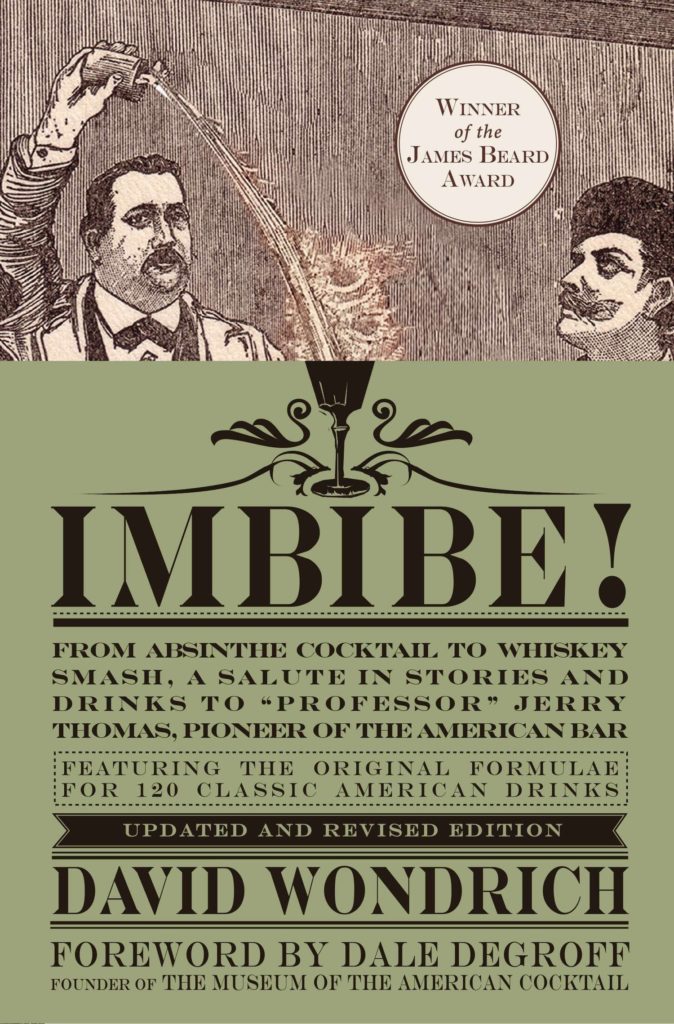
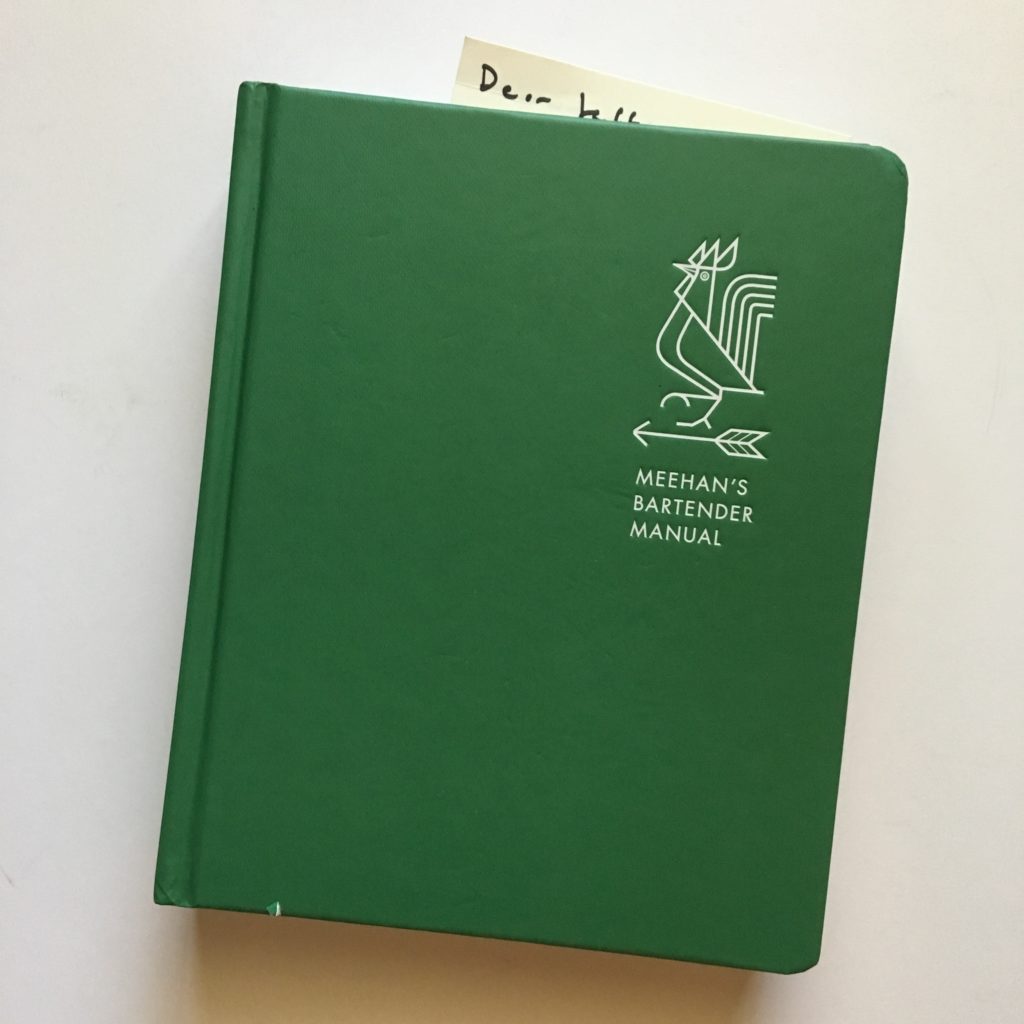
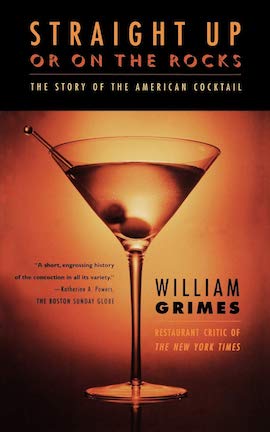
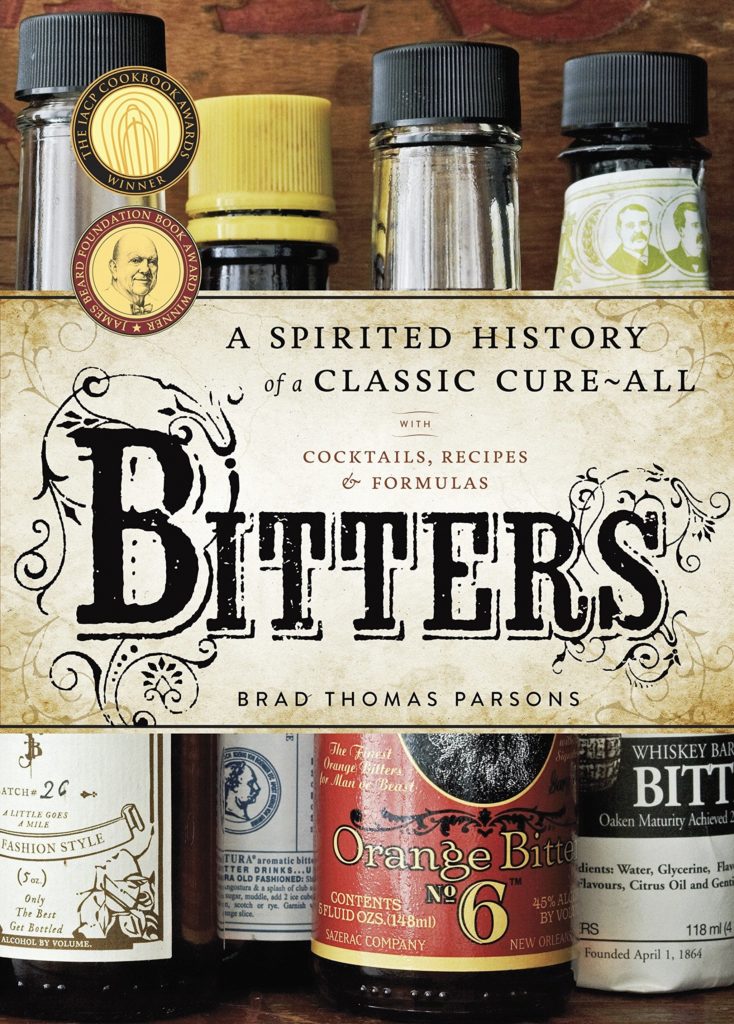
One question I'm often asked is "Do you have any drink-related book recommendations?" Well, funny you should ask, I've compiled a list of the ten books every professional bartender or home mixologist should own. I keep every one of these close at hand and have read most of them several times. I suggest you do the same.
It's always mojito season somewhere, so this advice is timely in your area about half the year. Wether you're making them or simply enjoying them, this advice will help you look like a pro in no time at all.
The flavors of the Richmond Gimlet are imbued with sunshine. Fresh mint mingling with the herbaceousness of gin and the tartness of lime have made this drink a Eugene classic for many years now.
You'll get a lot of snarky advice on this site about how to make a proper drink, but if you ever need to know what not to do, this is the video for you.
The world of booze can be mystifying to people that don't work in bars or around alcohol all the time. I hear a lot of assumptions about the industry I'm in that are - much like 90% of what you hear in bars - completely false. Here are a few you've probably heard yourself.
The debate rages on: Should we try to look cool and crack open the Boston shaker or be tidy professionals and use the Hawthorne strainer the way God intended? Be sure to leave your two cents in the comments section.
The traditional garnish for a Pisco Sour is a couple of drops of bitters in the foam, but I've never been particularly impressed with the way these few paltry drops of bitters sat in their little egg-white mattress and didn't play along with the rest of the drink. I envisioned a Pisco Sour with a uniformly-distributed bitters-scorched foam: slightly crisp as the fire burnt the sugars, and slightly warm as the foam insulated the rest of the frosty cocktail from the heat. A pisco creme brulée in a glass!
I get so many visitors looking for tips on how to write a bartending resume that I thought I should finally post a tutorial on how to write your own. Click the headline to read more.
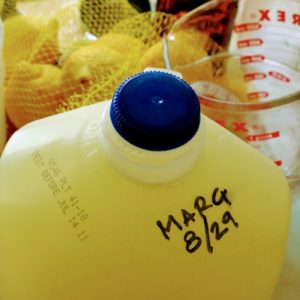
I always love showing up to a party with a gallon jug of pre-mixed margaritas, so I've decided to share my recipe. This margarita recipe is the perfect blend of strong, sweet, and sour. But be warned: this recipe packs a serious punch.
There isn't much I can say about this video that hasn't been said already. If you've read anything I've written about cocktails, you'll understand why this video symbolizes everything wrong with the state of bartending in America today. Watch and learn, but be warned: this one isn't for the feint of heart.
About Me
My name is Jeff Morgenthaler and I'm the head bartender at Bel Ami in Eugene, Oregon.
I'm 36, I've been tending bar for 12 years and writing about it for 5. Mixing drinks has become something of a passion for me in recent years, and I strive to elevate the experience of having a drink from something mundane to something more culinary.
The writing I do here is intended as a work in progress. My recipes are like my opinions: they are constantly being revised and refined as I work them through my mind and my fingers. Comments and participation are encouraged, so please don't feel the need to tread lightly here.
Sometimes a drink idea takes days of adjusting and tasting to finalize the recipe, but sometimes it will just come to me. When someone mentioned that Valentine’s Day was coming up in a week and that I should come up with a set of special drinks for the occasion, my wee brain somehow managed to kick into gear and come up with this drink. Don’t ask me how I did it.
I had just picked up a new bottle of House Spirits’ fabulous, rich, creamy, herbaceous Aviation Gin, and somehow knew that it would work beautifully with one of my all-time favorite liqueurs, Mathilde creme de cassis (liqueur of black currants). I added a little lemon for balance, and the drink was ready.
The result is gorgeous. The color is a deep pink. The mouthfeel is tight and bracing. The flavor is like a flower, rich and herbally. It’s romantic, it’s deep, and it’s a perfect balance between masculine and feminine. Try it sometime.
2 oz Aviation gin
.75 oz creme de cassis
.5 oz fresh lemon juice
2 tsp simple syrup
Shake well over cracked ice and strain into a chilled nine ounce cocktail glass. For Valentine’s Day we garnished the drink by floating white rose petals on top, but edible flowers such as pansies or nasturtiums would work beautifully in the spring when they can be found. If you’re out of flowers, use a lemon wedge and call it good.
Another note: if you can’t find Aviation gin in your store, try to find Plymouth gin or even Hendrick’s gin for a similar flavor.
Welcome back!
That is a good drink. Jay Crabb at the Martini Monkey makes a similar one, but uses the Casis as a kind of under-float. He calls it the Aviator (with a nod to the Aviation.)
I just looked that up, and you’re right. I don’t know about that whole underfloat business, though. There’s something about having your last few sips of a drink be nothing but straight, sweet liqueur that seems odd to me. I saw a picture online here, and I do have to admit that it’s pretty to look at!
I also picked up a bottle of maraschino liqueur when I was in California, and we’ve been making Aviation cocktails with the Aviation gin - and it’s amazing.
I own a small library of books on the subject of bartending. Some of these books are geared toward the professional bartender, while others are written for the home mixologist. But regardless of the intended audience, almost every book I own heartily recommends that we use paring knives for cutting fruits and garnishes. […]
20 Feb 2007 at 4:56 pm 1. jimmy
Welcome back!
That is a good drink. Jay Crabb at the Martini Monkey makes a similar one, but uses the Casis as a kind of under-float. He calls it the Aviator (with a nod to the Aviation.)
20 Feb 2007 at 5:28 pm 2. Jeffrey
Thanks, Jimmy!
I just looked that up, and you’re right. I don’t know about that whole underfloat business, though. There’s something about having your last few sips of a drink be nothing but straight, sweet liqueur that seems odd to me. I saw a picture online here, and I do have to admit that it’s pretty to look at!
I also picked up a bottle of maraschino liqueur when I was in California, and we’ve been making Aviation cocktails with the Aviation gin - and it’s amazing.