One advantage I have in my career – and believe me, I thank my lucky stars every day for my good fortune in this regard – is that I travel a lot. And when I do travel, I get to visit the greatest bars in the world and spend time picking the brains of the world’s greatest bartenders.
The most recent drink to grace our cocktail list is the result of my travels.
Taking inspiration from many sources, my initial interest in bitter, sour and sweet with a distinctly tropical bent was taken directly from the ever-brilliant Giuseppe Gonzalez and his now-famous Trinidad Sour.
While I, and the rest of the world, was taken by the combination of bitter, herbal, sweet flavors, it never really struck me as a an extensible sort of drink style until I came across Andrew Bohrer’s amaro-based Mai Tai variation called the “Elena’s Virtue”. Now here was a drink with legs, and a hint of what was to come in the world of cocktails, in my humble opinion.
But what New York and Seattle do well, San Francisco often does better, and usually with a lot more Fernet Branca, and that’s the conversation I had with Josh Harris while competing in the Domaine de Canton finals in St. Maarten this spring. And after tasting his simple concoction of ginger liqueur, pineapple and Fernet Branca I knew it was time for me to get my feet wet and try my hand at the herbal tropical sour.
The result has been a smash hit at the bar, as it very much follows in the style of our restaurant bar, a reflection of the crafted European style of cooking that emerges from the kitchen on a nightly basis. In other words, earthy, sour, herbal flavors do very, very well where we work.
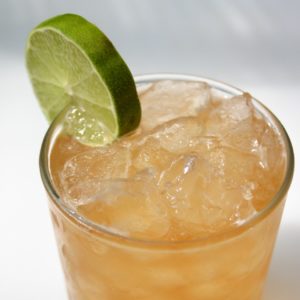
Put all of this together, throw in a desire to explore the dusty, neglected bottle of Drambuie, and an early morning racking one’s brain to come up with a drink name (the original intent was Brixton Club) and a star was born:
Kingston Club
1½ oz Drambuie
1½ oz pineapple juice
¾ oz lime juice
1 tsp Fernet Branca
3 dashes Angostura bitters
Shake ingredients with ice and finish with 1 oz soda water. Strain mix over fresh ice into a chilled collins glass and garnish with an orange twist.
A side project, an experiment or just a simple curiosity that turned into a delicious phenomenon that we're still serving to much delight at our bar, barrel aged cocktails explore the gentle manipulation of a drink's flavors over time. This post details the inspiration, the history and the methods behind my barrel aged cocktails.
My problem with homemade tonic water has always been a flavor profile that was too esoteric for the general audience. This recipe takes some of the positive qualities people have come to understand from commercial tonic water and updated them with fresh ingredients.
Turned off by the glop you find in the grocery store, and unable to endure another long egg and cream whipping session, I set out to build an egg nog recipe from the ground up that retained the character of the orginal formula, was easy to make in a few minutes at home or at the bar, and tasted absolutely delicious. See if you agree with the result.
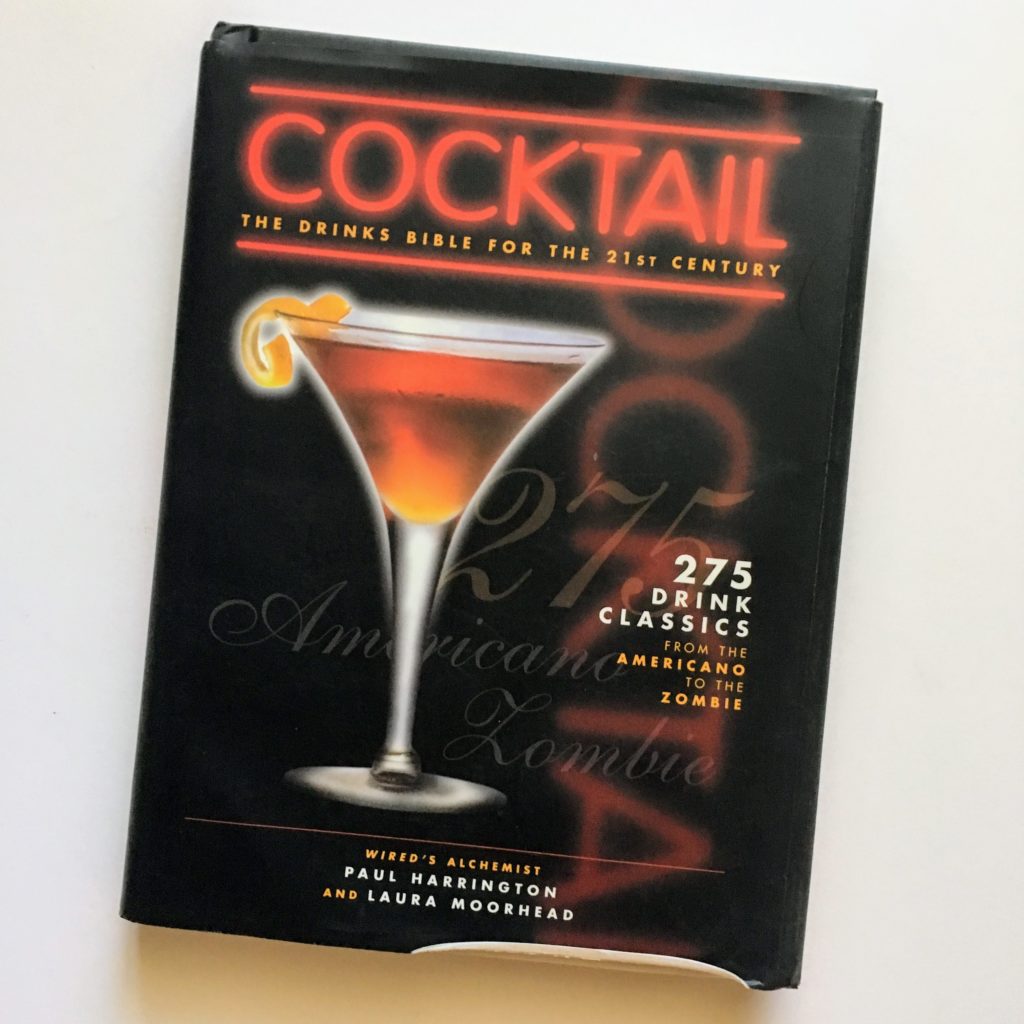
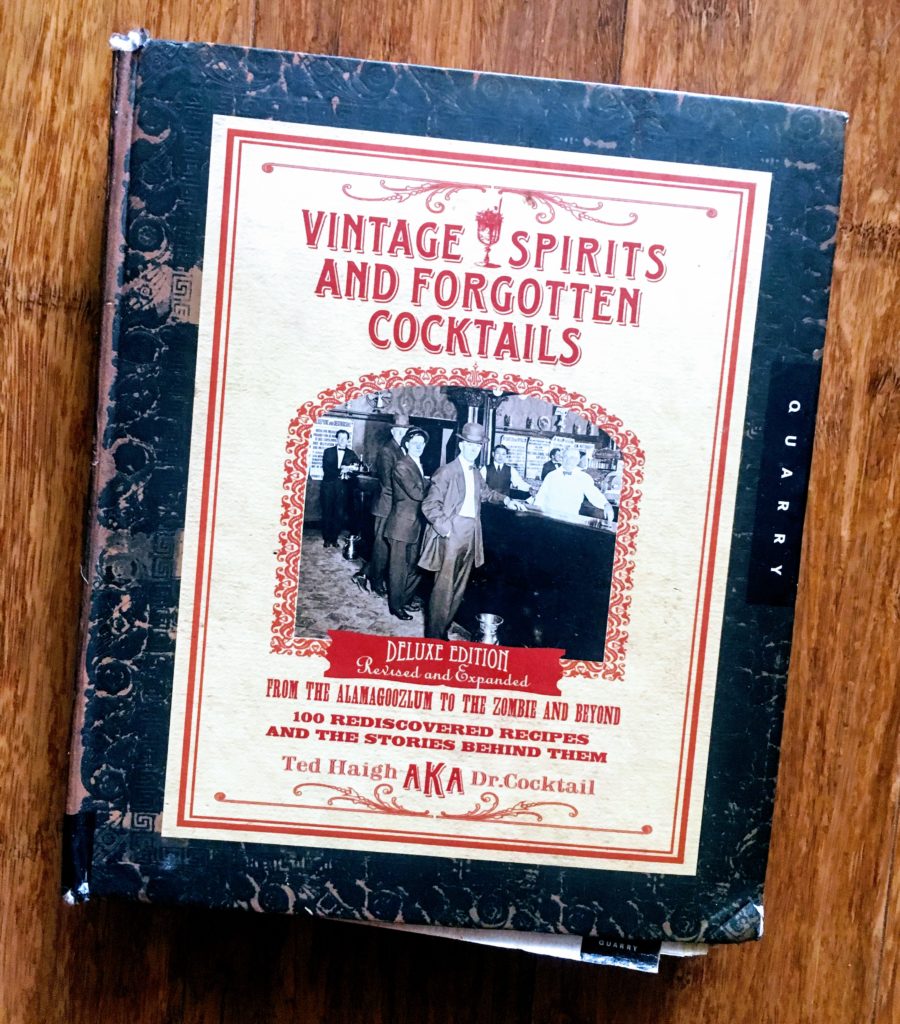
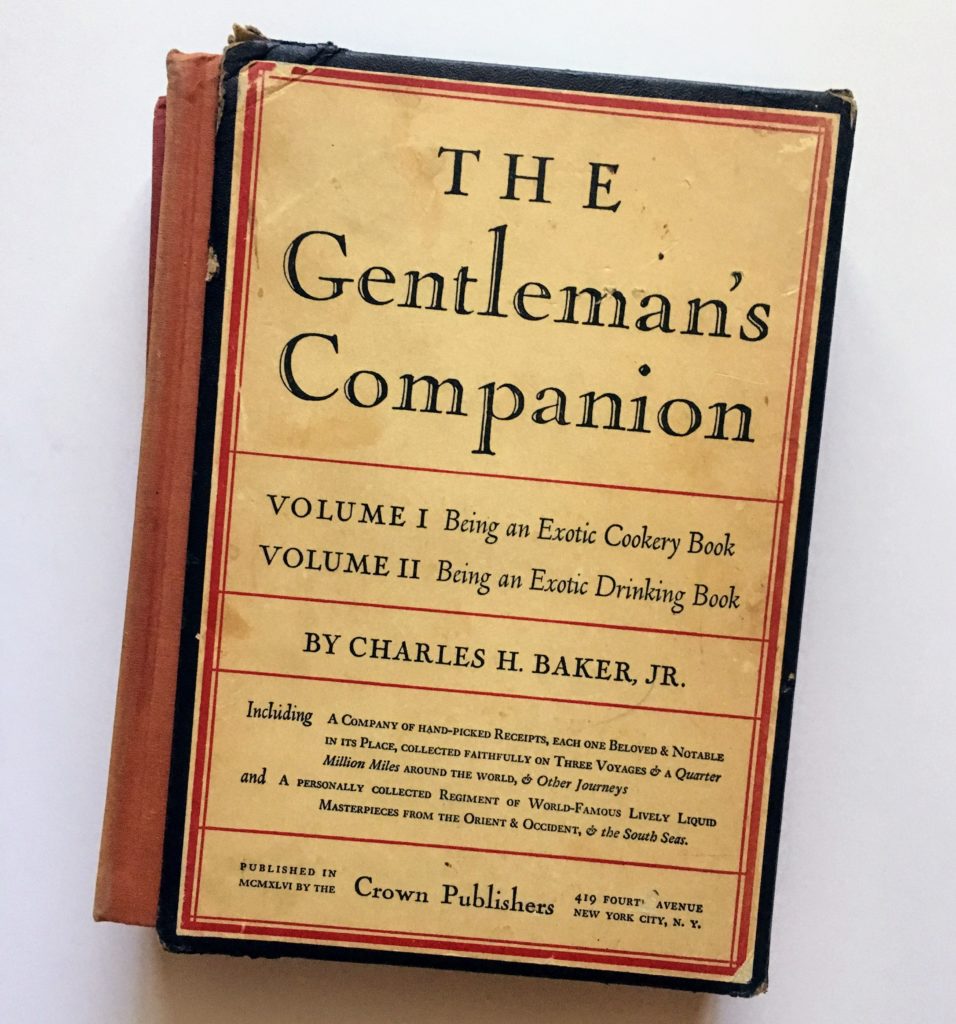
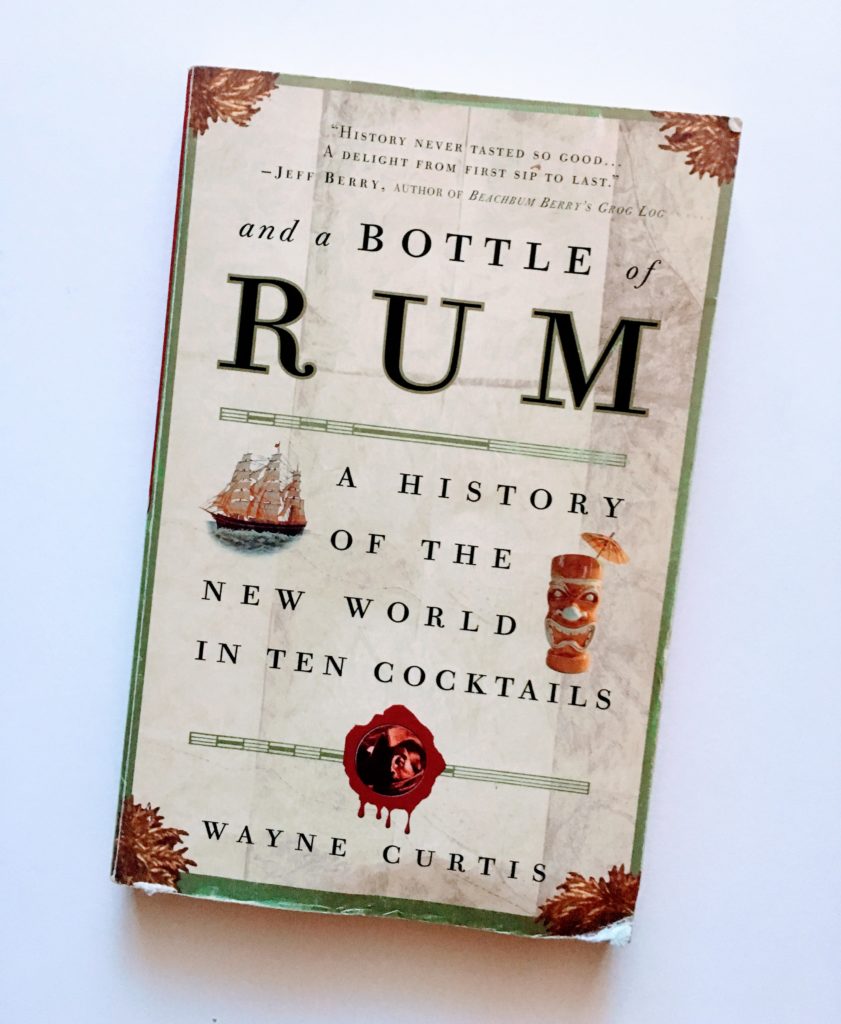
One question I'm often asked is "Do you have any drink-related book recommendations?" Well, funny you should ask, I've compiled a list of the ten books every professional bartender or home mixologist should own. I keep every one of these close at hand and have read most of them several times. I suggest you do the same.
The problem with living in Oregon is the absence of little wooden shacks by the sea that sell cases of fresh ginger beer stacked on back porches. But with some readily-available ingredients, a recipe I've been revising for several years - and a few free minutes - I can easily transport myself to a little fishing boat on the ocean as I sip a Dark and Stormy made with fresh, house-made ginger beer.
It's always mojito season somewhere, so this advice is timely in your area about half the year. Wether you're making them or simply enjoying them, this advice will help you look like a pro in no time at all.
The flavors of the Richmond Gimlet are imbued with sunshine. Fresh mint mingling with the herbaceousness of gin and the tartness of lime have made this drink a Eugene classic for many years now.
You'll get a lot of snarky advice on this site about how to make a proper drink, but if you ever need to know what not to do, this is the video for you.
Not to be confused with the Spanish wine-and-fruit-based alcoholic beverage sangria, sangrita (meaning "little blood") is a traditional accompaniment to a tequila served completo; a non-alcoholic sipper that cleanses the palate between fiery doses of agave.
The world of booze can be mystifying to people that don't work in bars or around alcohol all the time. I hear a lot of assumptions about the industry I'm in that are - much like 90% of what you hear in bars - completely false. Here are a few you've probably heard yourself.
The traditional garnish for a Pisco Sour is a couple of drops of bitters in the foam, but I've never been particularly impressed with the way these few paltry drops of bitters sat in their little egg-white mattress and didn't play along with the rest of the drink. I envisioned a Pisco Sour with a uniformly-distributed bitters-scorched foam: slightly crisp as the fire burnt the sugars, and slightly warm as the foam insulated the rest of the frosty cocktail from the heat. A pisco creme brulée in a glass!
I get so many visitors looking for tips on how to write a bartending resume that I thought I should finally post a tutorial on how to write your own. Click the headline to read more.
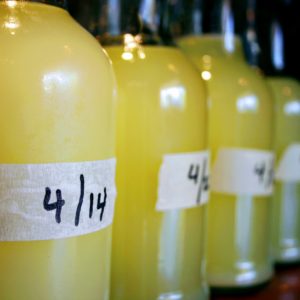
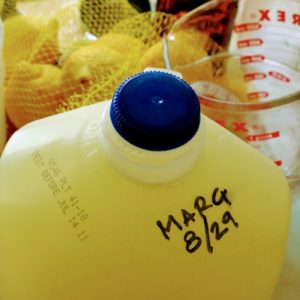
I always love showing up to a party with a gallon jug of pre-mixed margaritas, so I've decided to share my recipe. This margarita recipe is the perfect blend of strong, sweet, and sour. But be warned: this recipe packs a serious punch.
There isn't much I can say about this video that hasn't been said already. If you've read anything I've written about cocktails, you'll understand why this video symbolizes everything wrong with the state of bartending in America today. Watch and learn, but be warned: this one isn't for the feint of heart.
About Me
My name is Jeff Morgenthaler and I'm the head bartender at Clyde Common in Portland, Oregon.
I've been tending bar since 1996 and writing about it since 2004. Mixing drinks has become something of a passion for me in recent years, and I strive to elevate the experience of having a drink from something mundane to something more culinary.
The writing I do here is intended as a work in progress. My recipes are like my opinions: they are constantly being revised and refined as I work them through my mind and my fingers. Comments and participation are encouraged, so please don't feel the need to tread lightly here.
Although there are only three states on the West Coast of the United States, many people can only name California. Few people east of the Rocky Mountains can even pronounce Oregon (Or-uh-gun). Yet in the world of alcoholic beverages, bartending and mixology, Oregon is becoming a strong force, alongside such historical greats as New York, Louisiana, Kentucky and California. Here’s why.
Oregon is the home to fabulous mixologists such as Lucy Brennan and Kevin Ludwig. Lucy was voted one of the top bartenders in the country by Playboy magazine recently. She tended bar at the wonderful, innovative restaurant Saucebox for years before opening her own two establishments. Kevin Ludwig of Park Kitchen has been noted recently for his mixology acheivements, including the creation of his own tonic water.
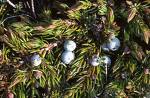
Juniper can be found growing all over Oregon, and is now being used to flavor some premium brands of gin – House Spirits’ Aviation Gin and Bend Distillery’s Cascade Mountain and Desert Juniper gins. The presence of wild juniper makes Oregon’s burgeoning gin industry a natural.
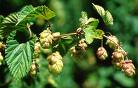
The existence of wild Oregon hops has been one of the factors contributing to the explosion of Oregon beers. Oregon is the second-largest hop-producing state in the country, and as a result Portland has more breweries than any other city in the world. Oregon beers such as Widmer, Rogue, Full Sail and Deschutes are being exported all over the globe.
Oregon just happens to reside at roughly the same latitude as Burgundy, France. This, in conjunction with Oregon’s climate and soil, have made the state a natural home for cool-climate wine grapes, most notably the Pinot Noir variety. In 2005, there were 314 wineries in Oregon.
Oregon grapes are also used to create Clear CreekBrandy, whose pear, apple and grape eaux de vie are winning awards and gaining accolades all over the country.
Oregon is the birthplace of Imbibe Magazine, a brilliant bi-monthly magazine about all things liquid. If you’ve not had the opportunity to read Imbibe, I strongly recommend you visit their blog and then head over to the magazine’s website to pick up an inexpensive subscription.
Spearmint grows wild all over Oregon, making mint-based cocktails such as the Mojito, Mint Julep and Richmond Gimlet feel right at home here.
Finally, Oregon was on the map last year for its celebration of Repeal Day, a day which is now poised to be the next major drinking holiday in this country.

I forgot to mention that there are some fantastic Oregon weblogs out there that specialize in mixology, and Phil’s blog Lamb Martini is one of them. Definitely check him out!
I’ve heard about this! I subscribed last month or so (finally) but I haven’t received an issue yet. I look forward to trying out Kevin’s recipe.
I tried Fever Tree tonic at the Vegas bar show today, and I was suitably impressed. I’m going to talk to my Young’s Columbia rep tomorrow and see if I can get it in Oregon.
See, the problem with people here in NYC is that they just don’t understand.
“Fresh air? Mountains? Oh, we have those.”
“Err, no. You have absolutely no idea.”
I miss Oregon and everything about it. Kids growing up in Oregon go get drunk in the woods just like everyone else, but we did it with micro-brews. I think that speaks volumes.
I absolutely hate it when someone sends me a box full of sex toys in the mail. Sure, it might sound like fun to some of you (you know who you are), but receiving a big box of free sex is much more trouble than it’s worth. Believe me. So I get a [...]
19 Feb 2007 at 10:55 PM 1. Phil
Oregon rules!
19 Feb 2007 at 10:58 PM 2. Jeffrey
Thanks, for sharing, Phil!
I forgot to mention that there are some fantastic Oregon weblogs out there that specialize in mixology, and Phil’s blog Lamb Martini is one of them. Definitely check him out!
20 Feb 2007 at 3:02 AM 3. Mike
Gah! You’re reminding me that I really, really want to head out to Oregon. Perhaps this summer when the weather’s a little nicer!
20 Feb 2007 at 6:16 PM 4. paul
Dude, your article made it onto mixology.eu – great site if you speak German. I love how this sounds:
Oregon – das neue Mekka der Trinkkultur?
Sweet. If there’s an Oregon board or Tourism they should sponsor you!
06 Mar 2007 at 11:57 AM 5. Siobhan
Thanks for the mention of Imbibe….and speaking of Kevin’s legendary tonic water, his recipe appears in our March/April 2007 issue.
06 Mar 2007 at 7:59 PM 6. Jeffrey
I’ve heard about this! I subscribed last month or so (finally) but I haven’t received an issue yet. I look forward to trying out Kevin’s recipe.
I tried Fever Tree tonic at the Vegas bar show today, and I was suitably impressed. I’m going to talk to my Young’s Columbia rep tomorrow and see if I can get it in Oregon.
09 Aug 2007 at 9:50 AM 7. Alex
See, the problem with people here in NYC is that they just don’t understand.
“Fresh air? Mountains? Oh, we have those.”
“Err, no. You have absolutely no idea.”
I miss Oregon and everything about it. Kids growing up in Oregon go get drunk in the woods just like everyone else, but we did it with micro-brews. I think that speaks volumes.